
From Survival to Presence: Finding the Middle Ground in Motherhood
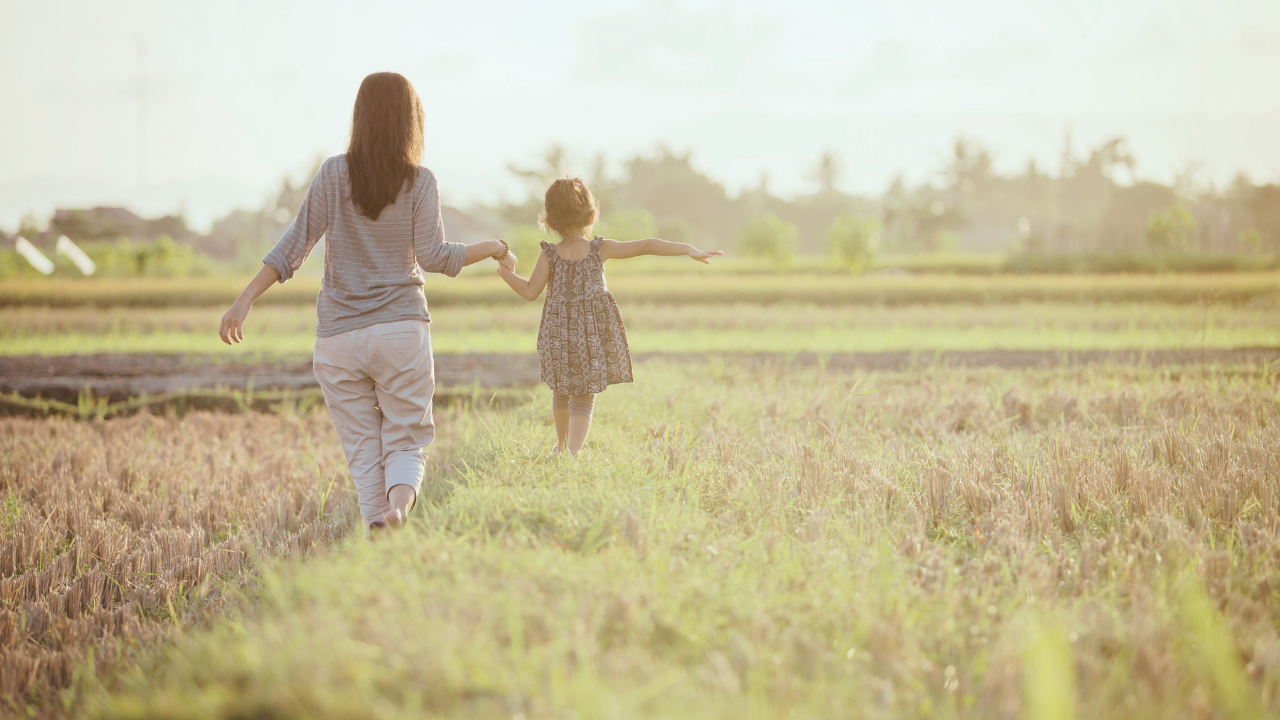
Holding Both: The Work and the Wonder of Motherhood
Permission, Balance, and the Full Truth
Lately, in my writing and in my thoughts, things have felt heavy and hard. My words have reflected a deep permission to name that weight — and I believe that permission is valid and necessary. But I also believe permission can become a slippery slope if it isn’t held with care. Like so many things I write about, there is an equal and opposite force that asks for balance.
In giving ourselves permission to feel the weight of the work of motherhood, we must also make space to acknowledge the immense joy and love that live there too. One without the other creates an incomplete picture. Motherhood is not just heavy, and it is not just beautiful — it is both, existing at the same time, asking us to hold the full truth.
When Survival Mode Becomes the Default
Recently, I had a quiet but powerful shift in perspective — one that changed the way my children and I move through our days.
I had given myself permission to let motherhood feel hard. Somewhere along the way, that permission turned into a subtle collapse. The days didn’t soften — they grew heavier. I slipped into survival mode without realizing it.
There was more tension.
More yelling.
More rushing.
Hurry up.
Please just put your shoes on.
Sit down.
Eat your dinner.
My days became a string of barked commands — and those commands were met with exactly what you’d expect from young children: resistance.
The Moment That Stopped Me
The moment that truly stopped me came from my five-year-old.
After a small emotional breakdown — tears, raised voices, the familiar aftermath — she finally found the words to tell me how she was feeling.
“Do you know what it’s like to be told what to do all day?” she asked. “You’re always telling me what to do.”
My instinct was to explain. Of course I tell you what to do — otherwise we wouldn’t get out the door, you wouldn’t eat dinner, nothing would happen. But before the words came out, something landed in my body all at once.
I was barking orders.
And my children were learning that from me.
They were barking back.
And together, we were creating a house filled with chaos, tension, and noise.
Choosing a Different Way to Speak
So my oldest and I made an agreement — together. We decided to change the way we speak to each other.
That shift required me to slow down in a way I hadn’t realized I’d stopped doing. I began catching myself before speaking. Instead of “Put your shoes on, please,” it became “We’re about to walk out the door. It’s time to get our warm clothes and shoes on.”
I started building an extra ten minutes into our routines — into getting ready, into transitions, into leaving the house. That ten minutes isn’t always possible, but when it is, it changes everything. It changes how we move. How we speak. How we feel.
Rushing and commanding had become my default. I was trying to fit too much into one day — and in doing so, I was rushing my children through their lives.
From Awareness to Action
I am human, and I will slip back into old habits. But awareness has changed me. With the commitment to creating a calmer, more peaceful home, I am willing to take the actions necessary to make that possible.
Noticing, awareness, and action matter. One without the others doesn’t work.
What I’m learning is that the shift doesn’t come from thinking differently alone — it comes from practicing differently.
Finding the Middle Ground
The middle ground I’m searching for — the space between heaviness and joy — is built through small, intentional rituals that bring me back into the moment.
For me, that looks like movement — not as productivity or punishment, but as release. When I move my body, tension softens and my thoughts settle.
It looks like writing — not to solve anything, but to notice. To get the noise out of my head and onto the page so it no longer runs the day.
It looks like stillness, even in small doses. Pausing before I speak. Taking one breath before responding. Giving myself a moment to choose presence over reaction.
These practices don’t erase the hard parts of motherhood — but they soften the edges. They create space. And in that space, I can show up differently.
I speak more gently.
I rush less.
I remember that my children are not obstacles to get through the day — they are the day.
The middle ground isn’t a permanent state you arrive at. It’s something you return to again and again — through noticing, awareness, and action.
Motherhood will still be heavy at times. But it is also filled with immense love, joy, and connection. And when we slow down enough to hold both, something shifts. The day opens. The house softens. And we remember why we wanted to be here in the first place.