
Why I Was Always Reaching for Food When I Wasn’t Hungry — And How I Stopped
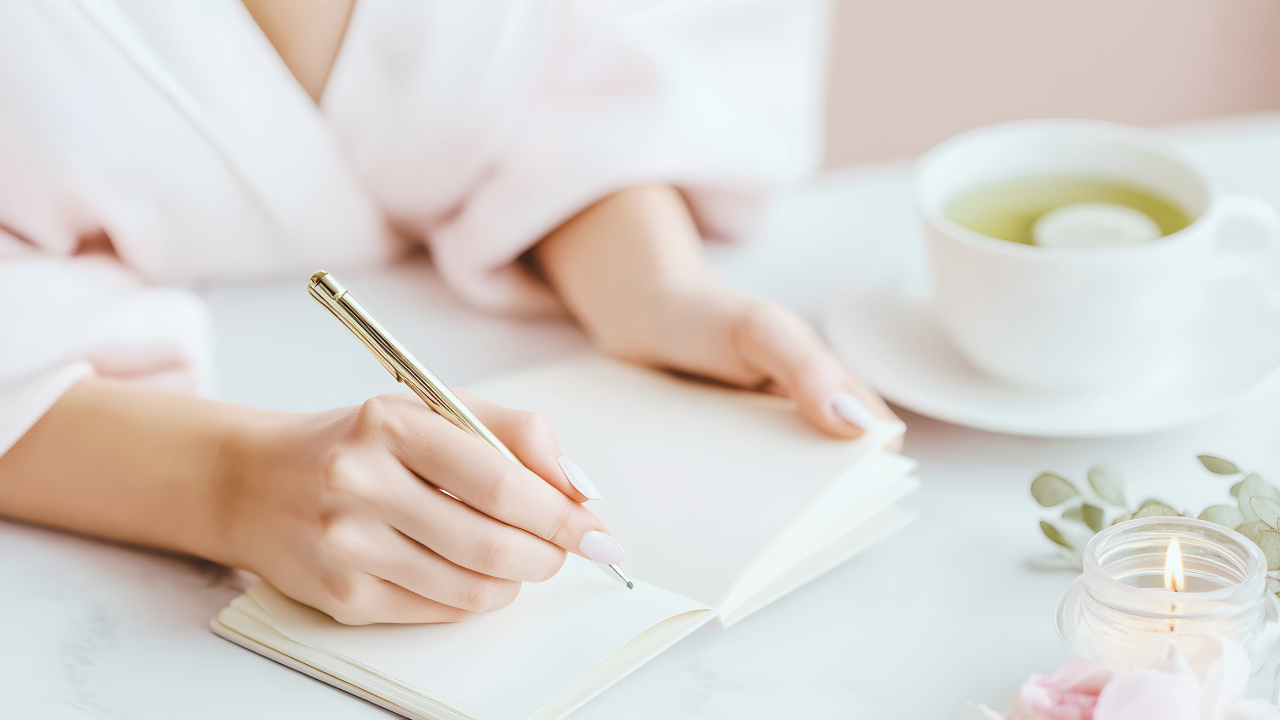
“Not every hunger is for food. Sometimes, it’s for rest, quiet, or a moment to breathe.”
There’s a moment every mother knows — when the house is loud, someone’s crying, dinner’s burning, and you can feel your body buzzing with stress. Your nervous system is on high alert, and you just need something to take the edge off.
For me, it was food.
Not full meals — just small bites all day long. Grapes, pretzels, bits of cheese, a handful of cereal here and there. It wasn’t hunger; it was habit. Every time I felt overwhelmed, I’d reach for something to chew on — something to do with my hands and mouth when my body felt too full of noise.
Those grapes became my quiet escape. They were cold, sweet, and quick — a moment of control in a day that felt anything but. Until one day, during a routine check-up, my blood sugar numbers came back high — almost pre-diabetic. That’s when it hit me: my “healthy” little coping habit had quietly become something harmful.
The Tiny Things That Add Up
Motherhood can feel like sensory overload — constant noise, constant needs, constant motion. So we look for quick ways to soothe. For me, food was always available, always comforting, always there to fill the gaps when I couldn’t fill my own cup.
But just as small, nourishing habits — like drinking water, taking walks, or journaling — can transform our lives over time, so can the small unconscious ones, only in the opposite direction.
A handful of snacks here, a few sweet bites there, a scroll through Instagram to escape for just a minute — they seem harmless in isolation. But over time, they add up. Those little “edges” we take off slowly dull our connection to ourselves. They can leave us feeling sluggish, disconnected, and even ashamed — not because we lack willpower, but because we were never actually addressing the real need underneath.
It’s not about judgment — it’s about noticing. Because we can’t change what we don’t see.
What I Was Really Hungry For
When I started paying attention, I realized I wasn’t reaching for food because I wanted to eat — I was reaching because I wanted relief. I was tired, overstimulated, and craving stillness.
The truth is, we all need relief. But there’s a difference between soothing ourselves and numbing ourselves. Soothing brings us closer to what we actually need. Numbing just pushes the feeling away.
I began to experiment with small shifts — moments that gave my body something similar to what food did, but without the crash afterward:
Making a hot cup of tea when I felt the urge to snack — feeling the warmth, the steam, the slow sip. The heat and rhythm of drinking something warm satisfied that same “need to put something in my body” that food often filled.
Stepping outside for a minute of fresh air.
Taking three slow breaths before opening the pantry.
Drinking a full glass of water first.
Writing one sentence about what I was actually feeling (even if it was just “I’m overwhelmed”).
These tiny pauses didn’t seem like much at first, but over time they began to retrain my body. I learned that safety could come from presence, not just from chewing or eating.
Our Children Are Watching
That realization deepened one afternoon when I saw my daughter pacing the kitchen, looking for something sweet after she’d been upset. She wasn’t hungry — she was seeking comfort, just like I had.
And that’s when it clicked: our kids are learning not just what we eat or do, but why. They watch how we handle stress. When they see us grab our phones or snacks every time life feels heavy, they’re learning that this is what coping looks like.
That thought didn’t fill me with guilt — it filled me with awareness. Because awareness is where change begins.
Modeling Calm (Not Perfection)
I’ll be honest: I’m writing this as a reminder to myself — to solidify the changes I’m still making. To replace the things that dulled my edges with habits that soften them instead. Writing this is my small act of accountability — my way of saying I want to feel better, not just distracted.
Writing has always been a healthy escape for me. Whether it’s journaling, creating a blog post, or even jotting down a simple to-do list — putting words on paper helps me process what I’m feeling. It slows my thoughts enough for me to understand them.
I think writers and creatives often create the things they need — whether consciously or not. This piece, like most of what I write, is something I needed to hear too.
We don’t have to model perfection for our children. We just have to show them what it looks like to pause, breathe, and try again.
So the next time you feel that edge — the chaos, the noise, the urge to grab or scroll or pour — take a breath first. Step outside. Feel your feet on the ground. Remember: your calm is teaching something too.